Hospitality industry context

Practice / Hospitality

Hospitality

Insurance considerations for the property, people, service, and continuity of a food service business.

Talk with our team

The risk landscape

What deserves closer attention.

01

Kitchen fire and the property program

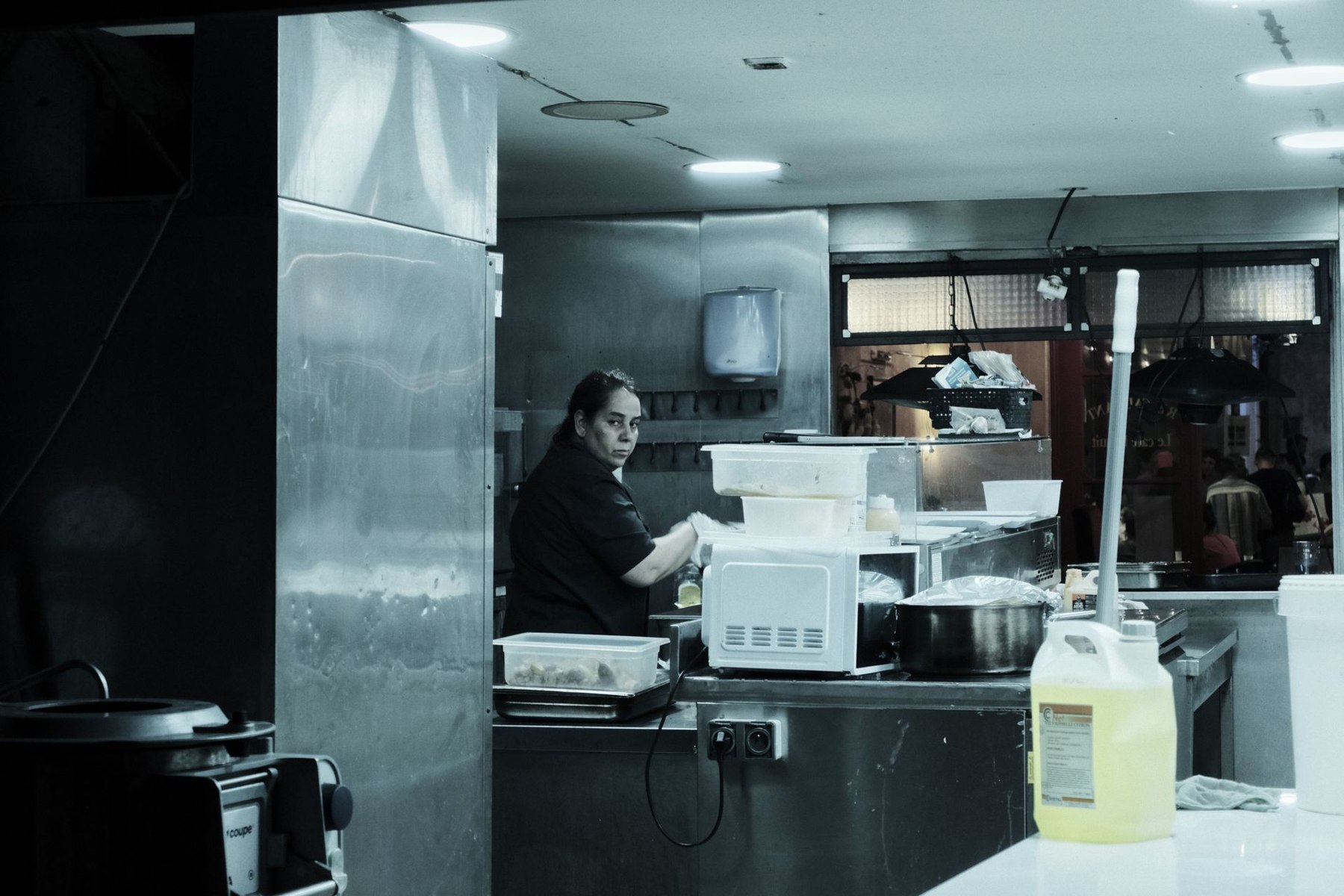
Commercial cooking is the fire exposure underwriters think about first, and the policy usually says so. Protective safeguards endorsements can condition coverage on working suppression systems and documented hood and duct cleaning, which means a missed cleaning contract is not just a maintenance lapse, it is a potential coverage problem. We help operators understand their property program’s requirements and review the documentation needed to support compliance.

02

A closed kitchen earns nothing

After a fire or major equipment failure, the building damage is often the smaller loss: the larger one is every day the doors stay shut. Business interruption and extra expense coverage exists for exactly this, but limits and restoration periods are frequently set without asking how long it really takes to rebuild a commercial kitchen, pass inspections, and win customers back. We pressure-test those assumptions before renewal, not after a loss.

03

Patron liability, from the floor to the bar

Slip and fall claims, patron incidents, and the general foot-traffic exposure of a dining room make general liability the workhorse of any restaurant program. Where alcohol is served, liquor liability and dram shop exposure sit alongside it, and the rules vary meaningfully by state. We help operators match liquor limits to their actual alcohol sales and their jurisdiction, rather than accepting whatever sublimit happens to appear in the quote.

04

Foodborne illness and contamination

A contamination event is two losses at once: the direct costs of the incident and the harder-to-measure damage to a reputation built over years. Coverage responses can include liability protection, spoilage and contamination coverage, and in some programs crisis response support for the public dimension of the event. We talk through this exposure honestly, because the reputational side is the part most standard programs address least.

05

A labor-intensive business, front and back of house

Cuts, burns, and lifting injuries make workers compensation a central cost in food service, and experience modification factors reward operators who manage safety seriously. On the employment side, high turnover, tipped wages, and scheduling practices have made wage and hour matters a real source of claims in this industry. We place workers compensation and employment practices coverage with those realities in view, and we flag where employment practices policies commonly exclude wage and hour claims.

06

Delivery, data, and payment cards

Food service now runs on systems that did not exist a generation ago: POS platforms holding payment card data, online ordering, and delivery through employees or third-party apps. In-house delivery raises hired and non-owned auto questions that many operators have never been asked, and a POS breach can bring PCI assessments alongside the direct response costs. We treat these as core exposures of the modern restaurant, not add-ons.

Hospitality operations

Who we serve

From a single storefront to a multi-state group.

  • Independent restaurants, cafes, and large dining establishments
  • Multi-location and multi-concept restaurant groups
  • Franchisees, with programs built to satisfy franchise insurance requirements
  • Fast casual and quick service operators
  • Caterers and event food service companies
  • Bars, taprooms, and venues where alcohol drives the revenue
  • Commissary kitchens and ghost kitchen operators
  • Food halls and multi-vendor food concepts

Coverage considerations

Consider the whole program.

Coverage depends on your operations and the terms, conditions, limits, and exclusions of the issued policy.

01Property+

Including attention to protective safeguards endorsements and the cooking protection they require.

02General Liability+

Slip and fall, patron incidents, and the everyday exposures of a dining room.

03Liquor Liability+

Aligned to state dram shop law and the operation's actual alcohol sales.

04Business Income & Extra Expense+

With limits and restoration periods tested against a realistic rebuild timeline.

05Equipment Breakdown+

Refrigeration, cooking lines, and the spoilage losses that follow a failure.

06Workers Compensation+

For a workforce facing cuts, burns, and lifting injuries daily.

07Employment Practices+

With awareness of wage and hour exclusions and the claims a high-turnover industry actually sees.

08Cyber+

For POS systems, payment card data, and online ordering platforms.

09Hired & Non-Owned Auto+

For in-house delivery and employees running errands in their own vehicles.

10Umbrella & Excess+

Limits adequate to lease, lender, and franchise requirements.

Questions worth asking

Six questions for any restaurant program.

Does the property policy carry a protective safeguards endorsement, and is every condition in it being met and documented?+

A lapsed hood cleaning contract or an impaired suppression system can jeopardize coverage exactly when a fire makes it matter.

Would the business income limit and restoration period actually carry the operation through a full kitchen rebuild and reopening?+

Rebuild timelines for commercial kitchens routinely outrun the assumptions built into off-the-shelf limits.

Is liquor liability matched to the state's dram shop rules and the operation's real alcohol receipts?+

Alcohol laws vary by state, and a limit that fits one jurisdiction or revenue mix may be inadequate in another.

Who insures the delivery driver, and does the answer change between in-house staff and third-party apps?+

Hired and non-owned auto is among the most commonly missed exposures in food service, and the gap only surfaces after an accident.

If the POS system is breached, does the cyber policy respond to PCI fines and assessments as well as the direct costs?+

Payment card exposure is contractual as well as technical, and not every cyber form addresses both.

Does the program satisfy every insurance requirement in the lease and the franchise agreement, at every location?+

Multiple locations often mean multiple documents with requirements that do not agree with one another.

The next conversation

Start a conversation

Let’s talk about
your insurance program.

Share your industry, renewal timing, and the questions you want to address. We’ll take the conversation from there.

Contact The Zachary Group